
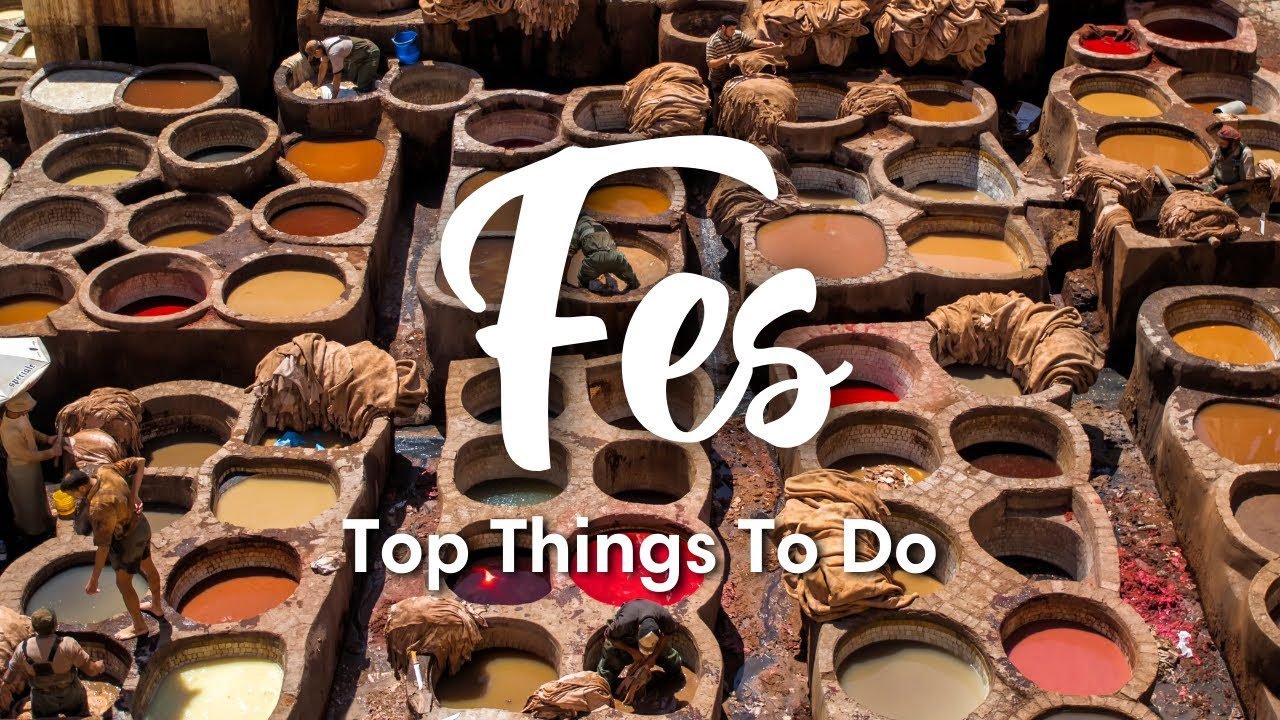
Nestled in the scenic northeastern valleys of the kingdom, Fes stands proud as the spiritual and cultural heart of Morocco. While other imperial capitals have embraced modern skyscraper designs, this historic city remains beautifully preserved, locked in a medieval golden age where authentic Moorish architecture rules the skyline.
From its maze-like alleys to its towering, ancient defensive walls, Fes serves as an open-air museum filled with Roman archaeological influences and architectural treasures dating back to the third century.
Planning an authentic cultural immersive trip can feel overwhelming given the sheer depth of history waiting around every corner. At Deep South Travel, we specialize in cutting through the noise to craft unforgettable Moroccan journeys. Whether you want to uncover local urban secrets through our tailored private day trips from fes, embark on scenic regional private desert tours from fes, or experience the Sahara in ultimate comfort with a custom luxury desert tour from fes, we ensure you experience the absolute best of this majestic region.
Here are the 11 absolute best things to do in Fes!
1. Wander Through the Ancient Medina
Widely celebrated as the largest car-free urban walled city in the Arab world, the Medina is a mesmerizing grid of shaded, narrow, and winding alleyways. Getting temporarily lost in this sprawling maze is not something to fear—it is a classic part of the adventure.
The term Medina encompasses both the ancient historic core of Fes el-Bali and the newer 13th-century district of Fes el-Jdid, which was established under the storied Marinid Dynasty. It was during this glorious medieval era that Fes reached its cultural and political peak, transforming into the national capital and giving rise to magnificent madrasas, mosques, and defensive stone ramparts that still stand tall today.
2. Admire the Bou Inania Madrasa
Constructed between 1350 and 1355 AD by Sultan Abu Inan Al-Marini, the Bou Inania Madrasa is one of the most famous educational and religious sanctuaries in Morocco. This architectural wonder is uniquely distinguished as the only religious school in Fes to feature its own private minaret, widely considered an absolute masterpiece of Islamic design. After more than 750 years, the marble ablution fountain in the central open courtyard still functions perfectly.
3. Step Through the Iconic Bab Bou Jeloud
Serving as the grand primary gateway to the historic old city, the magnificent Bab Bou Jeloud (The Blue Gate) sits proudly on the northwestern side of the metropolis, right beside Al-Basha Al-Baghdadi Square. This monumental archway is famous for its vibrant, dual-colored mosaic tilework, showcasing brilliant sky-blue patterns on the outer facade and shimmering green designs on the inner side. Immediately past the threshold, visitors are greeted by a lively alley filled with excellent local cafes serving authentic Moroccan cuisine.
4. Marvel at the Intricate Al-Attarine Madrasa
Located just north of the famous Al-Qarawiyyin Mosque, the Al-Attarine Madrasa may be intimate in size, but it is widely revered as one of the most beautiful schools in Morocco. Built between 1323 and 1325 AD by the Marinid Sultan Abu Sa’id Uthman II—who passionately supervised its early construction—the school serves as a rare urban masterpiece. The complex includes an open central courtyard centered around a water basin, a square prayer hall, and historic student dormitories. It is celebrated for its breathtaking artisan mastery, showcasing carved Atlantic cedar wood, chiseled stone, sculpted gypsum, and geometric zellige ceramic mosaics.
5. Relax in the Historic Jardin Jnan Sbil
Nestled peacefully between Fes el-Jdid and Fes el-Bali, Jardin Jnan Sbil is the oldest public park in the city, landscaped during the 18th century by order of Sultan Moulay Abdallah. This lush sanctuary offers a perfect, quiet escape from the energetic crowds of the surrounding Medina. The sprawling gardens feature a massive central pond and symmetrical water gardens adorned with zellige tiles, all bordered by neatly manicured beds of desert cacti, fragrant roses, and low boxwood hedges.
6. Explore the Woodwork Masterpieces at Funduq al-Najjariyyin
Dating back to the 17th century, Funduq al-Najjariyyin is an architectural landmark situated in Nejjarine Square at the heart of the old city, close to the vibrant Henna Market. Declared a Moroccan national monument in 1916 and protected as a UNESCO World Heritage Site, this former trading inn was commissioned by Alaouite Sultan Ismail Ibn Sharif and has been expertly preserved as a woodwork museum. Visitors can explore three floors of open galleries showcasing antique wood carvings, traditional furniture, musical instruments, historic doors, and vintage carpentry tools, before heading to the rooftop cafe for a panoramic view over the cityscape
7. Visit the Historic Sahrij Madrasa
The Sahrij Madrasa is another precious historical school built in 1321 during the golden reign of Sultan Al-Hassan Al-Marini. Named after the large water basin in its courtyard, its structural layout and decorative styling beautifully mirror the classic Marinid architecture of the era. The site is particularly famous for its meticulously carved wooden ceilings and doors, which display flawless geometric and calligraphic shapes.
8. Pay Respects at the Zaouia Moulay Idriss II
The Zaouia Moulay Idriss II is a holy Islamic complex containing a mosque and an educational facility. The sanctuary houses the sacred tomb of Idris II, who ruled Morocco from 807 to 828 AD and is celebrated as the main founder of Fes. Inscribed as a UNESCO World Heritage Site in 1981, this landmark is a major pilgrimage destination. While the inner mausoleum is reserved for prayer, non-Muslim visitors are welcome to explore parts of the complex to view its 18th-century white marble courtyard fountain and ornate carved ceilings.
9. Discover the Historic University of al-Qarawiyyin
Dating back to its founding in 859 AD, the monumental Al-Qarawiyyin Mosque stands as one of the oldest places of worship in Morocco. Located in the historic northeastern quarters of the city, its global significance evolved over the centuries as it transitioned from a spiritual house of worship into a prestigious center of higher learning. Today, it is recognized not only as an architectural masterpiece but also proudly holds the title of being the oldest continuously operating university in the world.
10. Watch Artisans at Work in Place Seffarine
Place Seffarine is a charming, historic little square located just south of the University of Al-Qarawiyyin, close to the Oued Bou Khrareb river that divides the ancient city. Dating back to the Middle Ages, this lively plaza is a favorite spot for travelers. The square rings with the rhythmic sounds of local metalworkers and coppersmiths who hand-hammer copper pots, clay vessels, and traditional kitchenware right before your eyes, offering a fantastic cultural snapshot.
11. Admire the Grandeur of El Glaoui Palace
Considered one of the most imposing historical residential compounds in Morocco, El Glaoui Palace stands out as a premier architectural marvel in Fes. Constructed between the late 19th and early 20th centuries, it was owned by Thami El Glaoui, the powerful Pasha of Marrakech. This sprawling estate features a jaw-dropping design that includes roughly 1,000 rooms, 30 flowing fountains, two beautiful interior gardens, a private Quranic school, dual Moroccan hammams, an authentic oil mill, and a historic wheat mill.
From the ancient alleys of Fes to the golden dunes of the Sahara, the travel experts at Deep South Travel are dedicated to designing your perfect vacation. Contact us today to plan your trip!