For culturally curious travelers, few times of the year offer a more profound window into the soul of North Africa than the holy month of Ramadan. This sacred period transforms the rhythm of daily life across the Kingdom of Morocco, exchanging the standard daylight hustle for a deeply spiritual atmosphere that culminates in vibrant, late-night celebrations.
While some travelers hesitate to book a trip during this month due to fear of closures or logistical disruptions, the reality is quite the opposite. Witnessing this time of reflection, generosity, and community firsthand is one of the most rewarding cultural experiences you can have.
At Deep South Travel, we believe that proper preparation turns potential travel challenges into an unforgettable adventure. Navigating the holy month successfully comes down to understanding the local customs, allowing you to seamlessly explore the vibrant coastal centers, deep-dive into historical heritage, or seek a quiet escape into the golden dunes.
This comprehensive guide covers everything you need to know about the atmosphere, the food, the altered schedules, and how to maximize your experience.
1. Understanding the Spiritual Essence of the Fast
To truly appreciate the atmosphere of the country, it helps to understand what the month signifies to the local population. It is the ninth month of the Islamic lunar calendar, marking the period when the Quran was revealed.Healthy adults abstain from food, liquids, smoking, and negative behaviors from the break of dawn until the exact moment of sunset. It is a time dedicated to self-discipline, spiritual renewal, and empathy for those less fortunate.As a traveler, you will notice a serene, quiet calm wash over cities like Marrakech and Fes during the day, which beautifully highlights the spiritual nature of the destination.
2. The Golden Rule: Daylight Etiquette for Tourists
A common question travelers ask us is whether non-Muslims are expected to fast. The answer is absolutely not. Local Moroccans are incredibly hospitable and completely understand that visitors follow different traditions. You will have no trouble finding open restaurants, particularly within primary tourist hubs and major hotels, However, practicing basic cultural courtesy goes a long way. It is highly recommended to avoid eating, drinking water, or smoking openly on public streets or inside public transit vehicles during daylight hours. Taking your meals inside a restaurant or within your private accommodation shows immense respect for the people around you who are fasting.
3. Witnessing the Magic of the Ftour (The Breaking of the Fast)
The absolute highlight of the trip happens every evening at sunset. A profound silence blankets the entire country just before the evening call to prayer. In many historic centers, a traditional cannon sounds with a dramatic boom to signal the official end of the daylight fast. Instantly, the streets empty as families gather to enjoy the ftour (or breakfast meal). Streets that were bustling moments before fall completely still. Sharing this collective pause is a magical, unifying moment that you can feel in the air no matter where you are standing.
4. Sampling Exclusive Seasonal Culinary Delights
For food lovers, the evening feast is nothing short of paradise. The ftour table is packed with specific, traditional foods that are rarely prepared during the rest of the year. You will get to sample rich, spiced harira (a comforting chickpea and tomato soup), sweet honey-dipped chebakia pastries, fresh dates, and savory stuffed breads. Many upscale restaurants, local cafes, and traditional riads across Morocco offer public ftour buffet menus, allowing travelers to sit alongside locals and take part in this delicious nightly ritual.
5. Embracing the Vibrant Late-Night Energy
If the daytime belongs to quiet reflection, the night belongs to vibrant celebration. An hour or two after the sunset meal concludes, the entire country wakes up with incredible energy. Shops reopen, street markets burst into life, and families head out to socialize under the cool night sky. Iconic public squares, such as the world-famous Jemaa el-Fnaa in Marrakech, transform into massive open-air festivals that stretch late into the night. It resembles the late-night dining culture of Spain, making it the perfect time to explore illuminated city monuments.
6. Navigating Shifts in Business and Monument Hours
The biggest logistical adjustment you will encounter involves daily operating schedules. Because daily routines shift to accommodate late-night prayers and early morning pre-dawn meals, regular business hours are compressed, Most historical monuments, museums, and banks open a bit later in the morning and close much earlier in the afternoon—often around 3:00 PM or 4:00 PM. Shops frequently close down entirely for a couple of hours right around sunset so workers can go eat. When planning your daily itinerary, it is best to front-load your sightseeing activities into the morning hours.
7. Preparing for Time Zone Adjustments
To make daylight fasting hours slightly shorter and more manageable for the population, the Moroccan government traditionally adjusts the national time standard. The country temporarily suspends daylight savings, moving the clocks back by exactly one hour to GMT, This change typically occurs just a few days before the holy month begins and reverts back shortly after it ends. Always double-check your smartphones, flight schedules, and train departures to ensure your devices have automatically synchronized to the correct local time.
8. Traveling Smoothly via Trains and Public Transit
If you are planning to navigate between major hubs using public transportation like the Al Boraq High-Speed Train, a few simple adjustments will keep your journey seamless, During the daytime, onboard catering services and station cafeteria cars are generally closed. Make sure to buy your snacks and bottled water beforehand to carry with you. When you need to eat or drink during the journey, simply do so discreetly out of politeness for the passengers fasting next to you.
9. Managing Alcohol Availability and Nightlife
Travelers should be aware that nightlife and alcohol availability scale back significantly during this sacred period. By Moroccan law, standard liquor stores and supermarkets close their alcohol sections entirely for the duration of the month, While bars and nightclubs close down, high-end international hotels, luxury resorts, and select tourist-focused restaurants maintain special permits to serve beer and wine to foreign visitors. If enjoying an evening cocktail is an important part of your vacation, planning your stays around premier accommodations is the best path forward.
10. Staying Patient with Changing Paces and Tempers
Fasting in the warmth of North Africa requires immense physical endurance. By the late afternoon, the combination of hunger, thirst, and minor sleep deprivation means that local energy levels can dip. You might notice taxi drivers or shopkeepers looking a bit tired, and traffic right before sunset can become frantic as everyone rushes home to eat, The secret to a successful trip is simply arriving with a double dose of patience. Maintain a relaxed, easygoing attitude, give people grace, and use the traditional greeting “Ramadan Mubarak” (Blessed Ramadan) to instantly bring a warm smile to a local’s face.
11. Choosing the Perfect Tailored Excursion Strategy
Because urban centers experience the most drastic schedule changes, balancing your city exploration with regional travel is an excellent strategy. Taking a step out of the dense city centers allows you to experience the natural beauty of the landscapes while local schedules reset, We highly recommend utilizing this time to book scenic journeys. You can balance your itinerary perfectly by choosing an immersive regional road trip, a coastal escape, or a multi-day heritage route connecting the iconic imperial towns.
12. Retreating to the Serene Sahara Desert
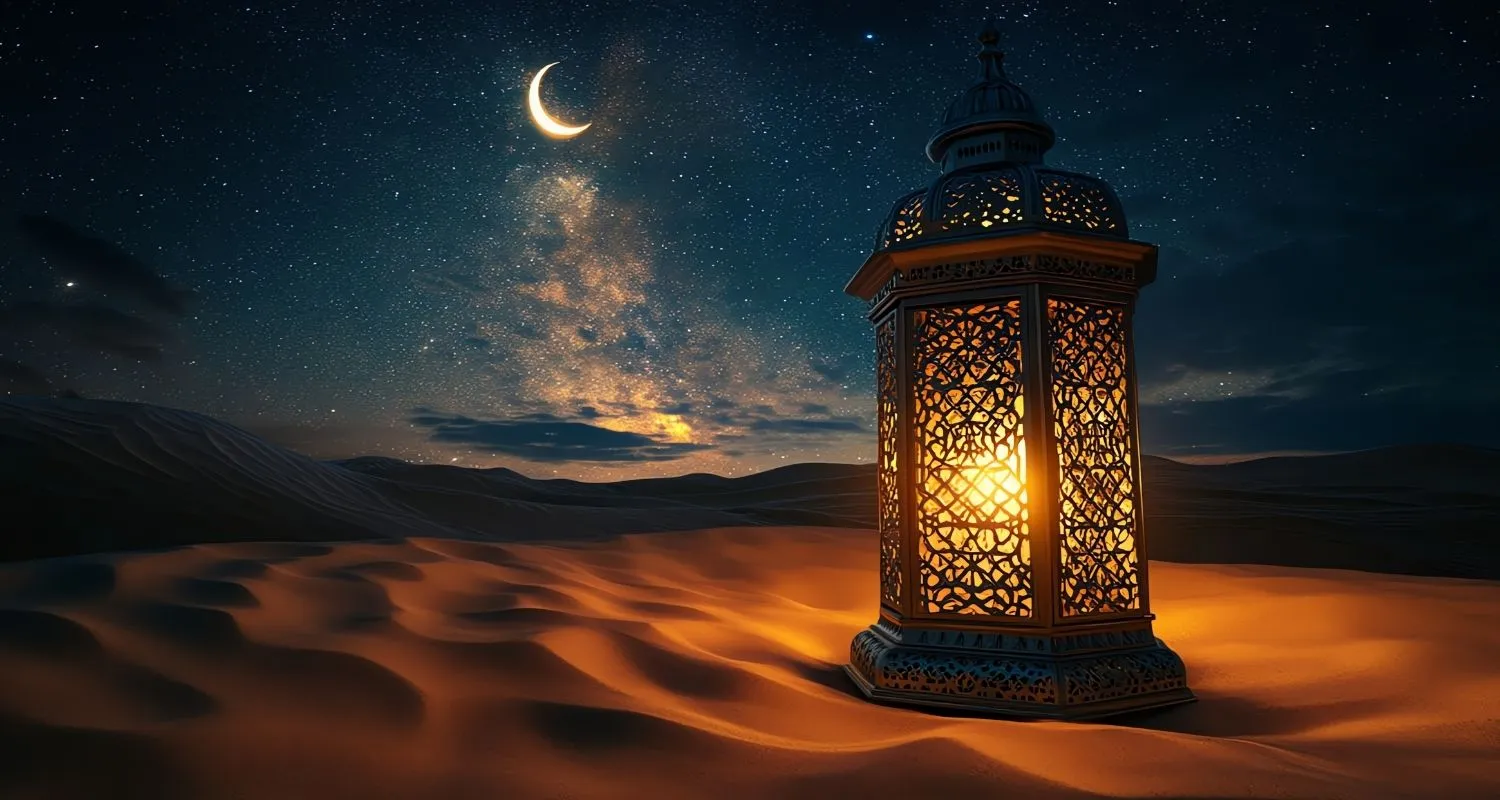
If you want to escape the altered schedules of the big cities entirely, there is no better sanctuary than the vast expanse of the Sahara Desert. Out in the quiet dunes of Merzouga or Erg Chegaga, the passage of time feels entirely different.
Desert camps and eco-lodges operate seamlessly, offering travelers standard meal schedules, spectacular camel trekking adventures, and unmatched stargazing opportunities under crystal-clear night skies. Heading into the wilderness allows you to experience absolute tranquility, enjoying premium hospitality while surrounded by the timeless beauty of nature.
Whether you choose to travel during seasonal holidays or the beautiful spring high season, the dedicated team at Deep South Travel is here to ensure your Moroccan vacation is flawlessly managed, highly authentic, and completely stress-free. Contact us today to customize your bespoke itinerary!